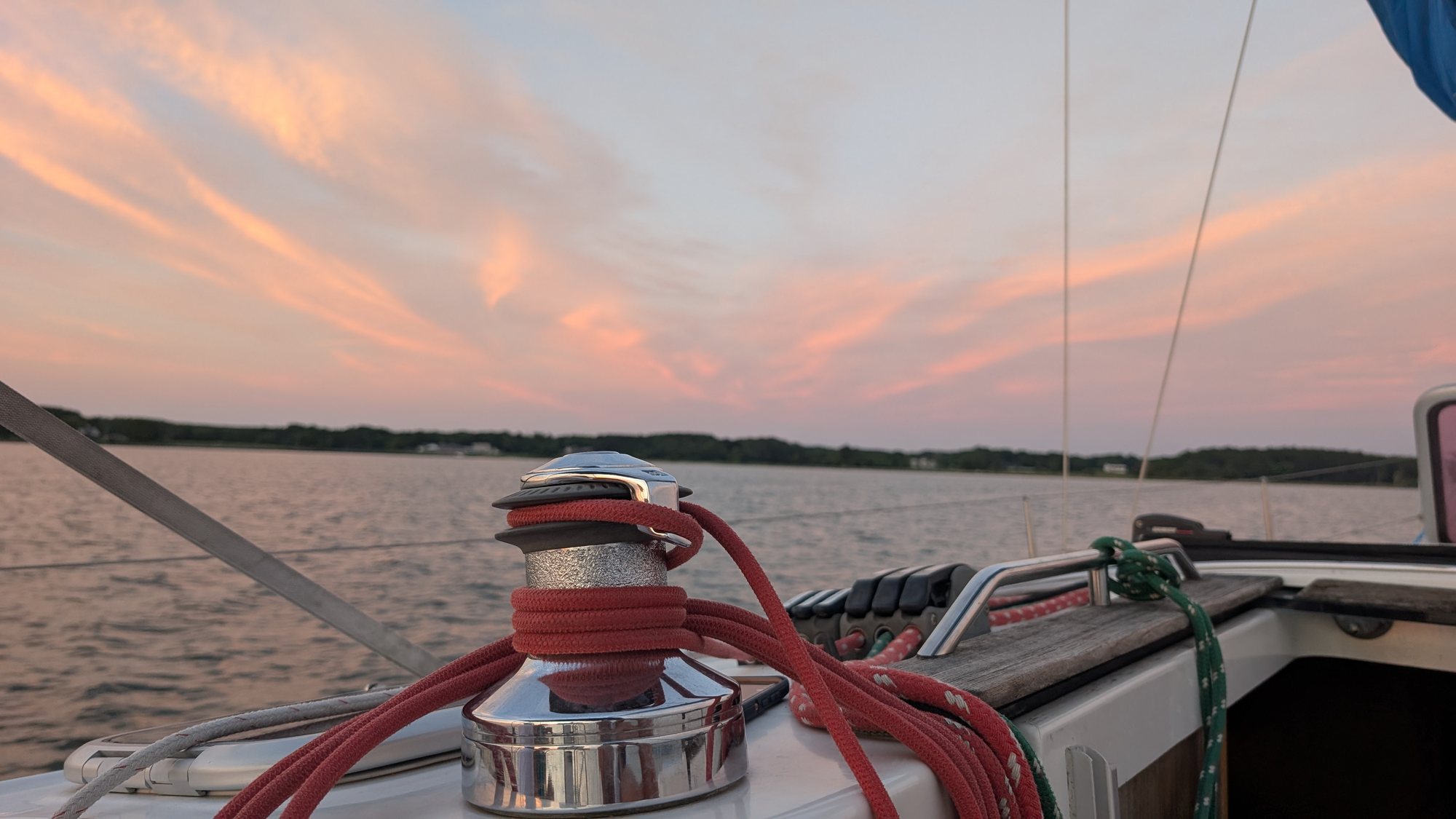
Some crossings change everything.

Passage & Periplus leads sailing voyages through the seas that shape our future — approaching the ancient world not as tourists, but as travelers who have left the shore.

Discover the Voyage
Scroll to learn more
Byzantine mosaic of Paul preaching in Macedonia
Paul's arrival in Macedonia — the crossing into Europe, Acts 16
Why it has to be the water
"At sea, you have left the solid for the liquid, the mobile, the space between — that is the space where new things become possible — for Paul and for us."

Most travel moves you between places. A sailing voyage moves you between states. The sea is not a backdrop for the experience — it is the medium. Sustained immersion in the liquid world, day after day, creates conditions for change that land-based travel simply cannot replicate.

The connection between a sea passage and the rite of passage, the crossing, the transit from one world to another — these are ancient human experiences, and they are intrinsic to the act of sailing. Passage & Periplus is built on this premise: that when you approach the ancient world from the sea, something opens that would otherwise remain closed.

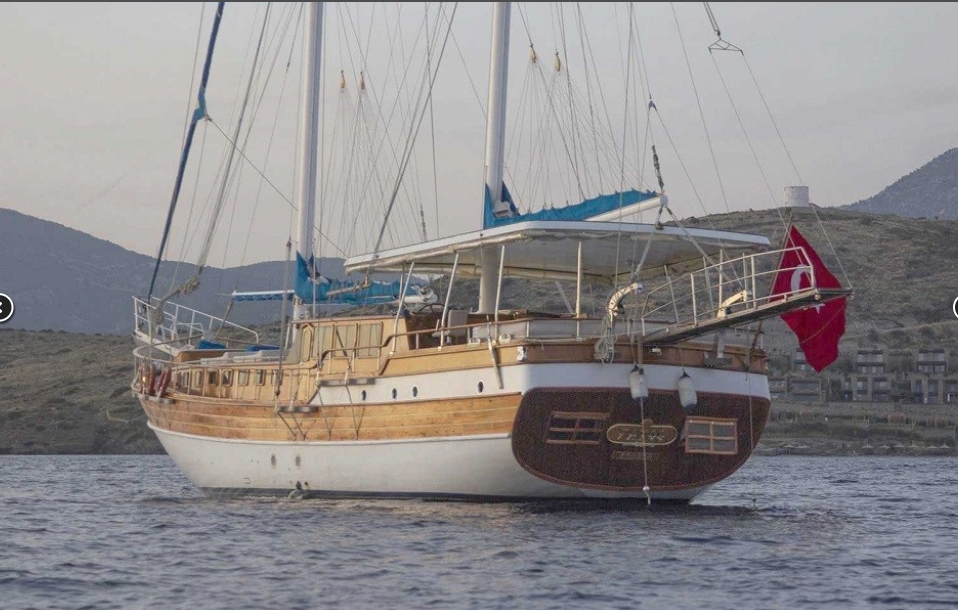
The gulet under full sail on the Aegean
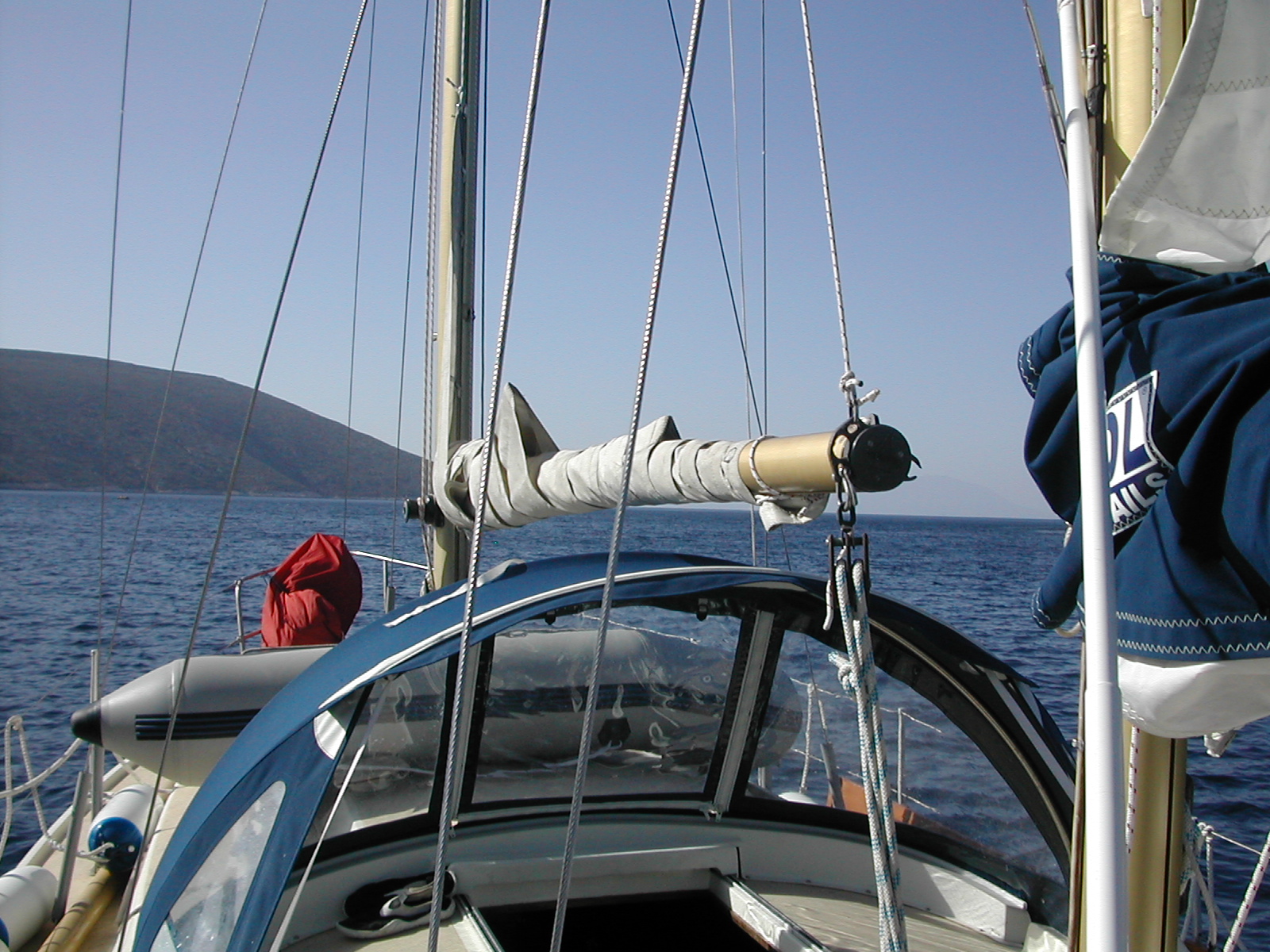
View from the bow underway, Aegean islands ahead
A tradition continues
Sailing Acts
2005–2024
Eastern Mediterranean

Carrying on a generation of work

For nearly two decades, Sailing Acts led voyages through the Eastern Mediterranean — bringing scholars, seekers, and travelers to the waters where the ancient world was shaped. Trip by trip, a community formed around the conviction that approaching these places from the sea is a different and richer experience than approaching them from land.

Passage & Periplus continues the work of Linford and Janet with new guides and the same guiding premise: that St. Paul, John the Apostle, Onesimus, and even Homer and Pythagoras are not merely historical figures to be studied, but presences to be encountered — and that the sea is the most faithful way to encounter them.

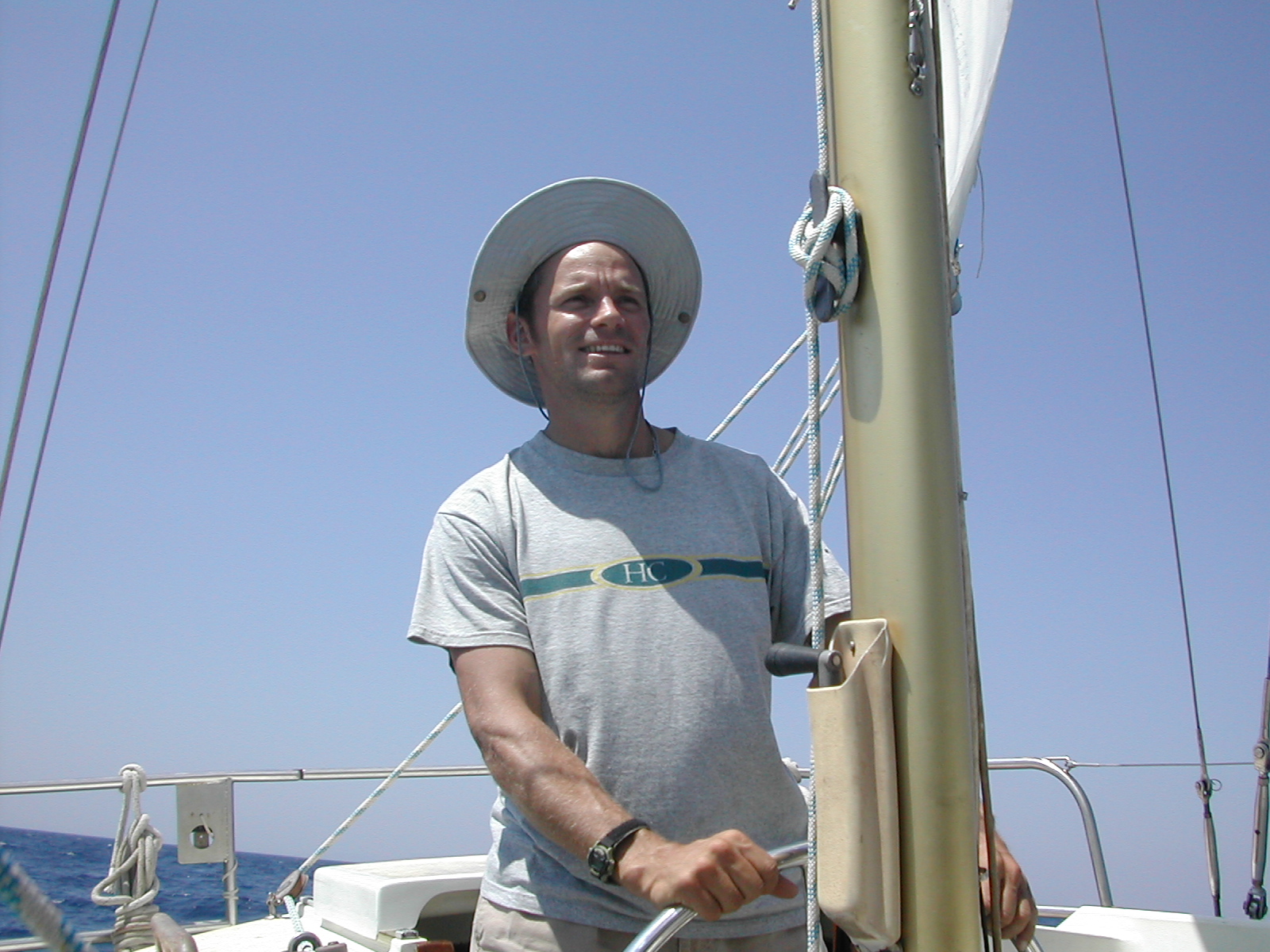
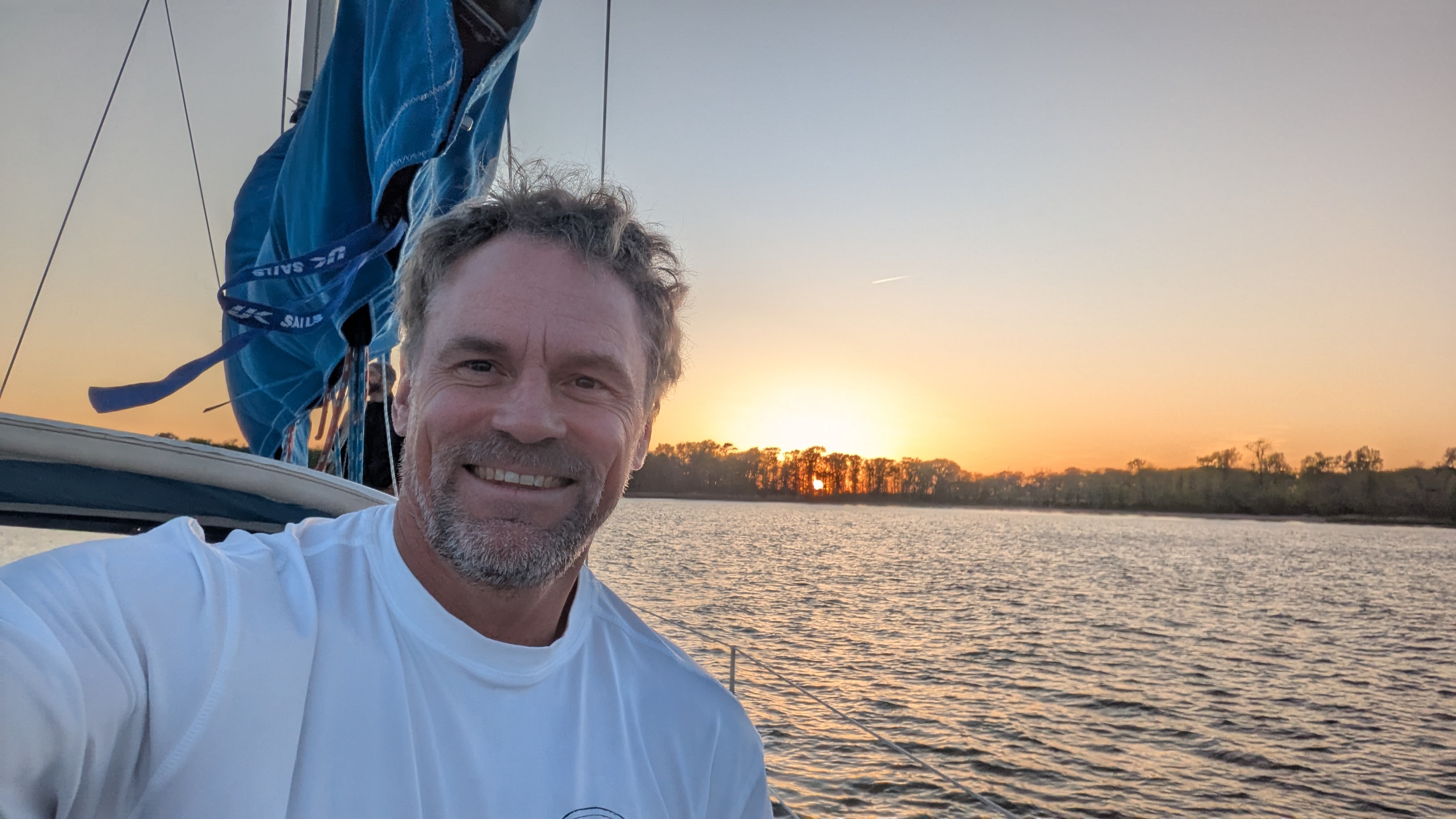
Linford and Janet at the helm, Sailing Acts 2004
Aram with Linford and Janet, Sailing Acts 2004
What we offer

Four things that make P&P different.

01
The Water as Teacher
The sea is not a backdrop. It is the medium of the experience. You sleep on it, eat on it, wake to it, and move through it for hours. Sustained contact with the liquid world has a way of loosening what has become rigid.
02
Ancient Encounter, Not Tourism
Homer's waters. Paul's routes. Pythagoras's island. We approach these places the way they were always approached — from the sea. This changes what you see, and what you feel when you arrive.
03
Voyage & Reflection
Every day has movement and stillness, discovery and meaning-making. You bring your own questions. The structure of the voyage — the periplus, the account — helps you live inside the answers.
04
Life on Board
A small boat slows everything down without emptying it. The shared deck and the rhythms of the sailing day build a kind of intimacy and community that weeks on land rarely achieve.
A day at sea, and ashore

The pace of life changes on a boat.

Before most of the group wakes, the captain assesses weather and sets the next leg. Coffee appears on deck as the anchor comes up. The morning is for sailing — two to five hours, usually, on open water or through the islands. The pace of a boat gives you time to think, or not to think, or simply to watch.

You anchor in a bay. The dinghy takes you ashore. You explore: ruins, old churches, a hillside path with a view that has not changed since the Aegean was new. You swim. You wander. Late afternoon brings you back to the boat.

Before dinner — and dinner is late, and beautiful, and served on deck in an anchorage that may be one of the most beautiful places on earth — there is a time for a short lecture or a group discussion. That's as academic as we get. A reading from Homer or from Paul. A question to sit with.

Then the meal. Then, if you want it, something quieter still: a time for the voice of the group — what did you discover? What did you feel? What questions are settling deeper? We might read a passage from Acts or another nautical adventure, and sing a song together on deck as night settles around us.

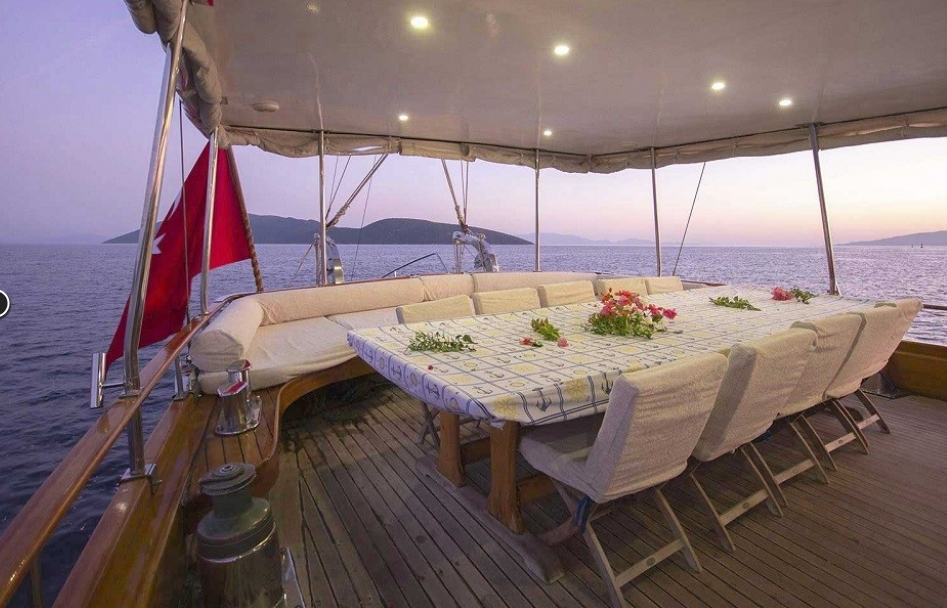
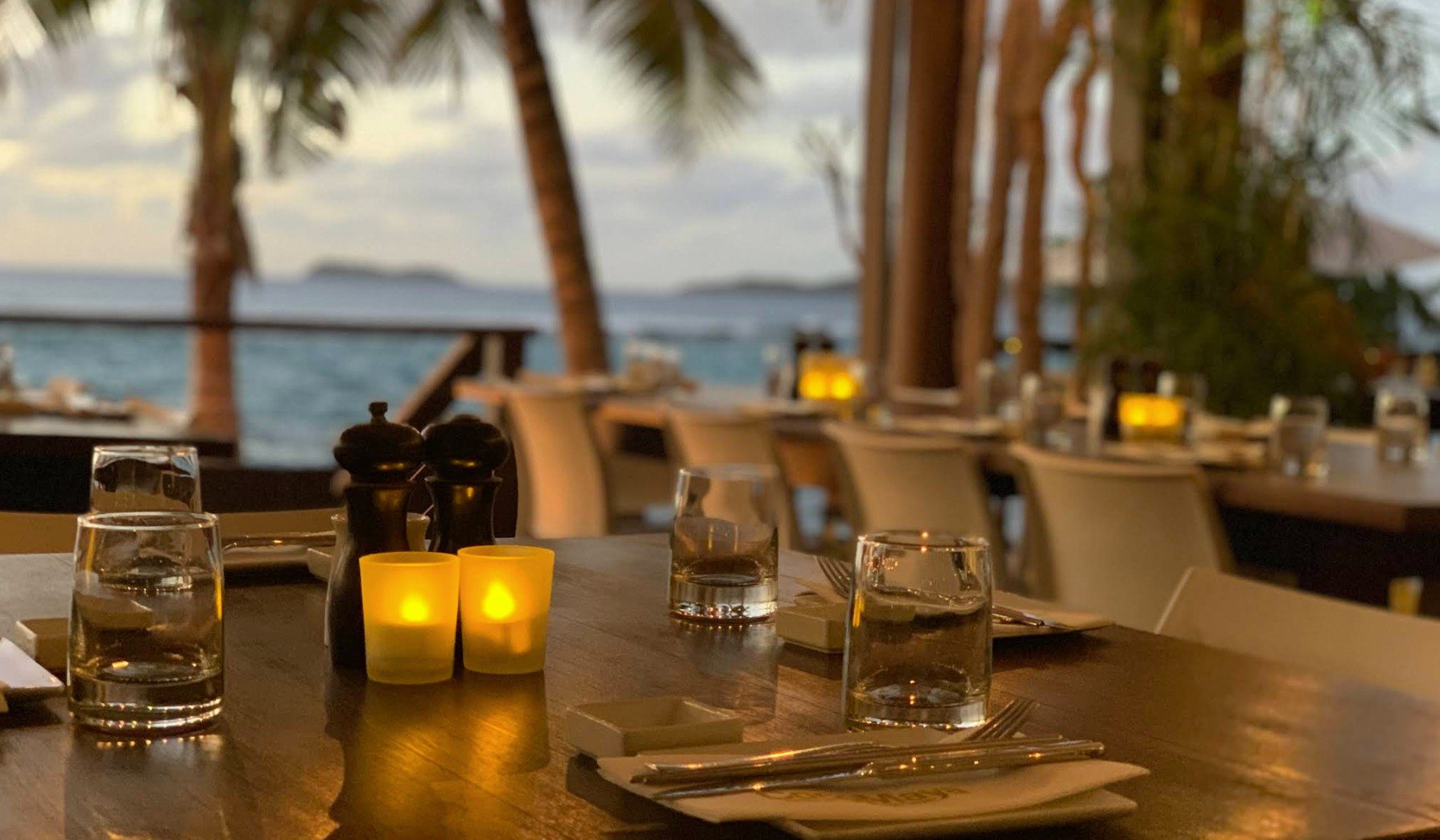
Dinner on deck at anchorage, dusk
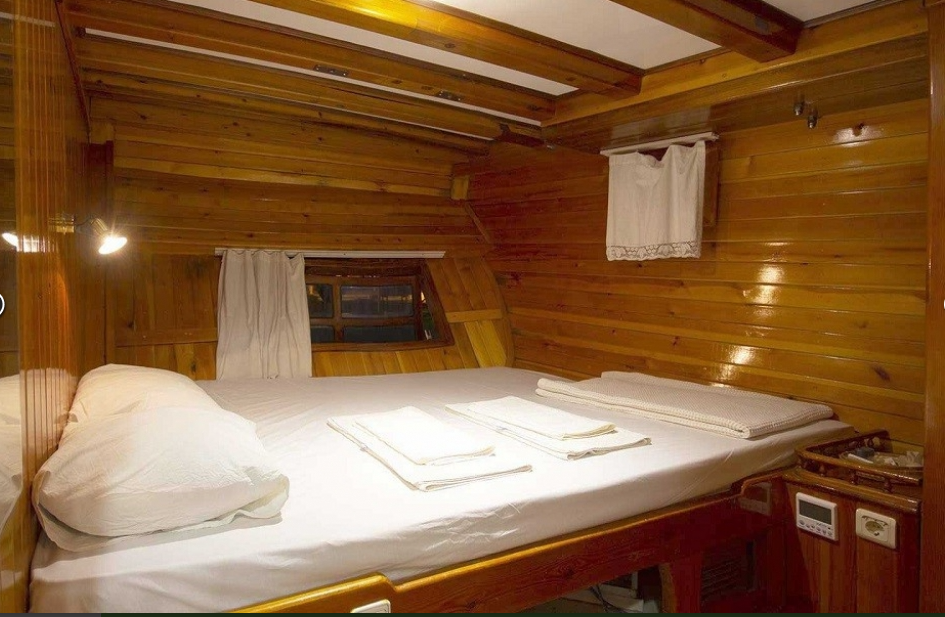
Cabin interior on the gulet
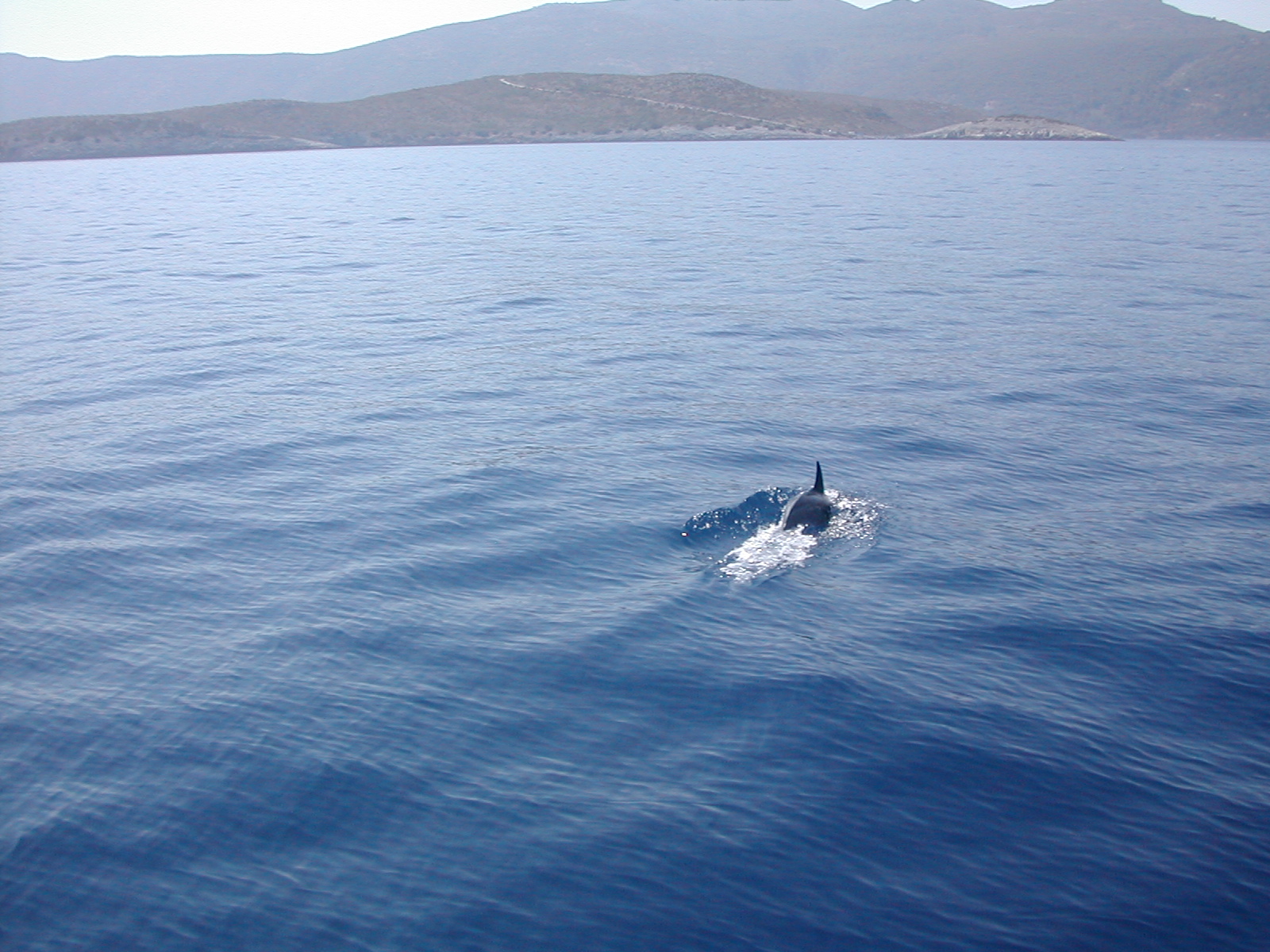
Dolphin in the Aegean

Sample schedule — varies from day to day

5–6 amCaptain underway
7–8 amBreakfast on deck
9 am–12 pmSailing — open water passage (times vary each day)
NoonAnchor, dinghy ashore
1–4 pmExplore: ruins, churches, hikes
3–5 pmSwim, kayak, return to boat
6 pmPre-dinner lecture & reflection
7–9 pmDinner at anchorage, on deck
After dinnerOptional reflection & conversation
Where the ancient world lives

The Eastern Aegean.

This first voyage with Passage & Periplus will take us through the waters between Greece and Turkey — the heart of the ancient world, where philosophy, literature, and faith were shaped. These are not ruins — they are living landscapes and seascapes, filled with the liveliest cast of characters imaginable.

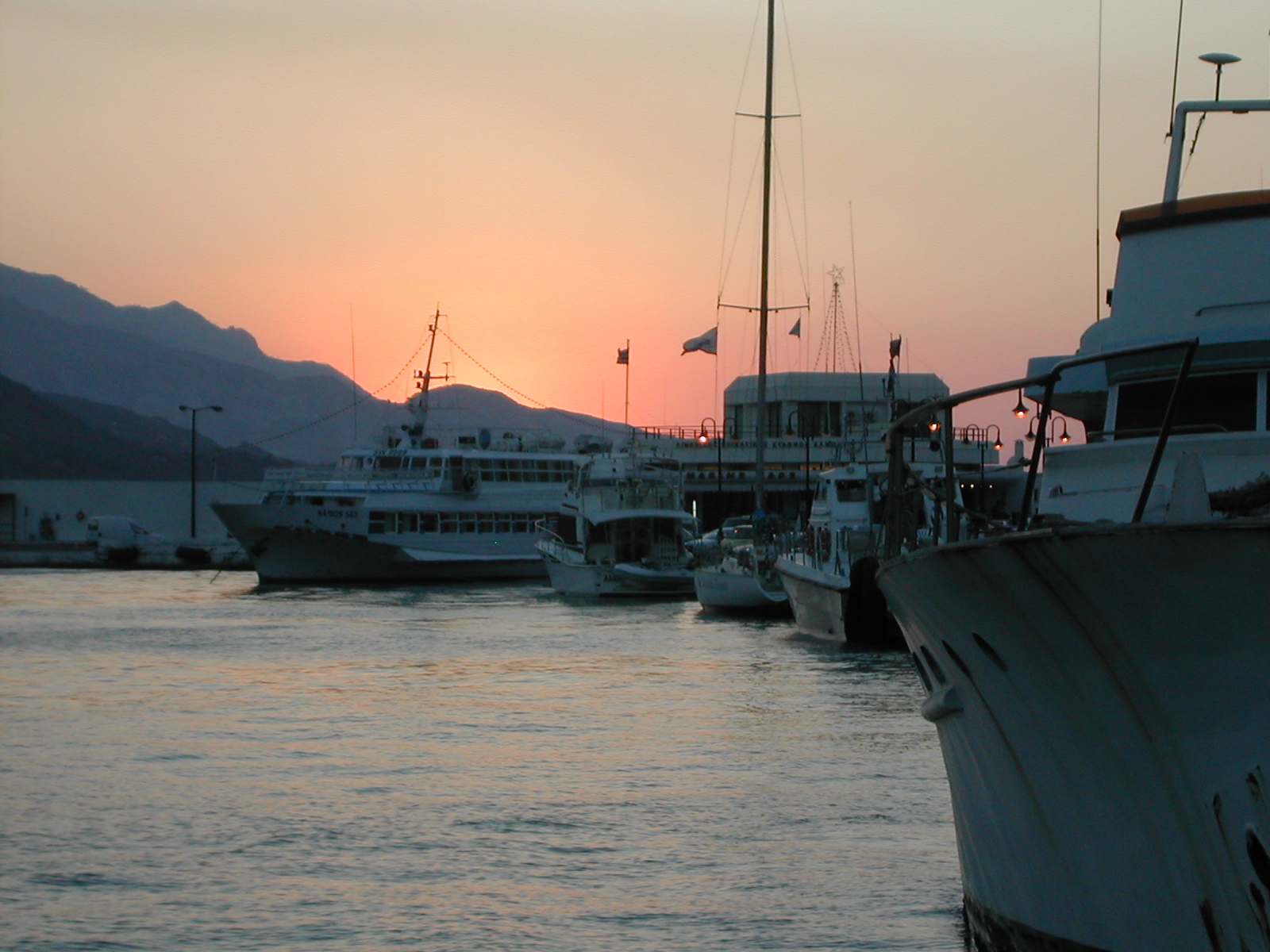
Harbor at sunset, Chios
Samos
Home of Pythagoras — mathematics, music, the harmony of the cosmos
Patmos
Where John wrote the Apocalypse — the cave, the monastery, the sea
Ephesus
Paul's church. Mary's last home. One of the great cities of the ancient world
The Aegean
The waters of the Iliad — Homer's sea, still recognizable, still alive
Patara
An ancient port that Paul and the Caesars sailed past — Acts 21
+ More
Itinerary details to follow. Exact route depends on season and wind
Who makes this journey

Passage & Periplus is a platform for many characters.

The Learner
In transition
A career shift, a loss, a question that will not resolve in the ordinary course of life. You sense you are between worlds, and you need an experience that meets you there — not one that distracts from it.
The Learner
The biblical Mediterranean
Christians, scholars, the devout and the questioning. The Aegean saturates the New Testament. Being here changes what you read. Paul's letters describe towns you can see from the deck.
The Classicist
The ancient world, alive
Lovers of Homer, the pre-Socratics, Greek myth and philosophy. The difference between studying Pythagoras and standing on Samos is the difference between a map and a place.
The Leader
Between worlds
Those who live with the sensation of being in a passage — navigating change in an organization, a season of life, a culture in transition. The structure of a sailing voyage has a way of making unexpected sense of one's situation.
Our May 2027 voyage

The Pauline Coast:
Antalya to Ephesus

Gulet at anchor along the Lycian coast
By land
Antalya Perge Myra Patara
By sea · 5–6 nights on the gulet
Gemiler Island Fethiye Bay Bozukkale Cnidos Bodrum
By land & ferry
Miletus Kusadasi Samos Ephesus

Our first voyage follows Paul's footsteps along the southern coast of Turkey — a route that shaped the early church and that the sea itself shaped. We begin in Antalya and move westward, first by land to the ancient ports Paul himself used, then by gulet along the Lycian coast, and finally by foot through the ruins of Ephesus. Eleven days. Ancient ground. Sea and land in equal measure.

The Land Approach

We open in Antalya — ancient Attalia, the port from which Paul and Barnabas departed for the mainland on their first mission journey. A full day at Perge brings us to where that journey began in earnest, before the coastal road south carries us to Myra, where Saint Nicholas served as bishop, and Patara, one of Paul's regular transit ports and still a working archaeological site with a magnificent beach behind it. By late afternoon we board the gulet at Kalkan.

Five Nights at Sea

For the next five to six nights, the gulet is home. The Lycian coastline — one of the most beautiful stretches of Mediterranean shoreline — unfolds to the west. We visit Gemiler Island, where the historical Saint Nicholas is believed to have been buried before his relics were moved to Myra; early Christian pilgrims on their way to the Holy Land stopped here for centuries. We sail through the magnificent bay of Fethiye, anchor beneath the Crusader ruins at Bozukkale, and make our way to Cnidos at the tip of the peninsula — the same headland where Paul's ship, bound for Rome, was stalled by the prevailing north wind (Acts 27). Each evening ends at anchor in some of the most beautiful water on earth.

The Final Arc
The amphitheatre at Ephesus

We disembark at Bodrum and travel north by land to Miletus — Paul's farewell address to the Ephesian elders, delivered beside the now-silted harbor of the Meander River, among the most moving scenes in Acts. From Kusadasi, a morning ferry carries us to Samos, Pythagoras's island: Greek, sun-lit, a reminder that the ancient world Paul moved through was already ancient to him. The voyage ends with a full day at Ephesus — the marble streets, the Library of Celsus, the House of the Virgin Mary on the hillside above. The city where Paul lived for three years. Where John brought Mary. Where seven of the churches addressed in Revelation had their roots.

Voyage at a glance
Dates
May 2027 — exact dates TBD
Duration
11 days
Format
4–5 nights hotel · 5–6 nights gulet
Group
Small group, maximum 12
Route
Antalya → Kusadasi
Includes
Hotels, gulet passage, private bus, local guides, site entrances
Not incl.
Flights, select meals, personal expenses
Request the full itinerary

The next voyage is forming.

Our May 2027 voyage along the Pauline Coast is now taking shape. If you'd like to receive the full itinerary, ask questions, or reserve your place, get in touch.

Get in Touch

No commitment required. We'll be in touch with details as the voyage takes shape.